Showing posts with label Thanksgiving myths. Show all posts

Sunday, November 24, 2024

Thanksgiving Myths and Facts

This year, the Thanksgiving holiday in the U.S. falls on Thursday, November 28, 2024.

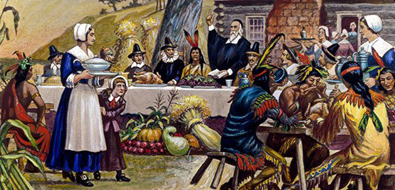
We all know the often told story of how the Pilgrims left England seeking religious freedom and finally settled in the New World, supposedly stepping off the Mayflower onto Plymouth Rock in what is now the state of Massachusetts.  And how in 1621 they invited the local natives to share a feast with them in order to give thanks for a successful harvest and surviving their first year.

From those humble beginnings have come many facts and just as many myths about the Pilgrims and our Thanksgiving holiday.

I have some Mayflower myths to share with you, followed by some Thanksgiving facts.

Myth:  The first Thanksgiving was in 1621 and the Pilgrims celebrated it every year after that.

Fact:  The first feast wasn't repeated, so it wasn't the beginning of a tradition.  In fact, it wouldn't have been called Thanksgiving because to the Pilgrims a thanksgiving was a religious holiday when they would fast rather than feast. That feast in 1621 was a secular celebration and would not have been considered a thanksgiving in their minds.

Myth:  The original Thanksgiving feast took place on the fourth Thursday of November.

Fact:  The original feast in 1621 occurred sometime between September 21 and November 11 and was a three day celebration based on the English harvest festivals.  In 1863, Abraham Lincoln declared the last Thursday of November as Thanksgiving. In 1939, President Franklin D. Roosevelt set the official date for Thanksgiving as the fourth Thursday of November, a decision fraught with controversy.  The date wasn't approved by Congress until 1941.

Myth:  The Pilgrims wore only black and white clothing with buckles on their hats, garments, and shoes as shown in numerous paintings.

Fact:  Buckles did not come into fashion until later in the 17th century.  Black and white were commonly worn only on Sunday and formal occasions.

Here's a list of trivia that could be called Thanksgiving-by-the-numbers.

3,000—the number of calories eaten during an average Thanksgiving meal.

12,000,000—the number of whole turkeys Butterball sells for Thanksgiving.

2,000 - 3,000—the number of people used to guide the balloons during the Macy's Thanksgiving Day Parade.

214—the average number of miles driven for the family get together at Thanksgiving.

1939—the date the Great Thanksgiving Day calendar controversy began (when FDR declared the fourth Thursday of November to be the official date of Thanksgiving).

40,000,000—the number of green bean casseroles made for Thanksgiving dinner.

72,000,000—the number of cans of Ocean Spray cranberry sauce sold for Thanksgiving dinner. 

Sunday, November 20, 2022

Thanksgiving Myths and Facts

This year, the Thanksgiving holiday in the U.S. falls on Thursday, November 24, 2022.

We all know the often told story of how the Pilgrims left England seeking religious freedom and finally settled in the New World, supposedly stepping off the Mayflower onto Plymouth Rock in what is now the state of Massachusetts.  And how in 1621 they invited the local natives to share a feast with them in order to give thanks for a successful harvest and surviving their first year.

From those humble beginnings have come many facts and just as many myths about the Pilgrims and our Thanksgiving holiday.

I have some Mayflower myths to share with you, followed by some Thanksgiving facts.

Myth:  The first Thanksgiving was in 1621 and the Pilgrims celebrated it every year after that.

Fact:  The first feast wasn't repeated, so it wasn't the beginning of a tradition.  In fact, it wouldn't have been called Thanksgiving because to the Pilgrims a thanksgiving was a religious holiday when they would fast rather than feast.  That feast in 1621 was a secular celebration and would not have been considered a thanksgiving in their minds.

Myth:  The original Thanksgiving feast took place on the fourth Thursday of November.

Fact:  The original feast in 1621 occurred sometime between September 21 and November 11 and was a three day celebration based on the English harvest festivals.  In 1863, Abraham Lincoln declared the last Thursday of November as Thanksgiving. In 1939, President Franklin D. Roosevelt set the official date for Thanksgiving as the fourth Thursday of November, a decision fraught with controversy.  The date wasn't approved by Congress until 1941.

Myth:  The Pilgrims wore only black and white clothing with buckles on their hats, garments, and shoes as shown in numerous paintings.

Fact:  Buckles did not come into fashion until later in the 17th century.  Black and white were commonly worn only on Sunday and formal occasions.

Here's a list of trivia that could be called Thanksgiving-by-the-numbers.

3,000—the number of calories eaten during an average Thanksgiving meal.

12,000,000—the number of whole turkeys Butterball sells for Thanksgiving.

2,000 - 3,000—the number of people used to guide the balloons during the Macy's Thanksgiving Day Parade. [in 2020, COVID-19 cancelled this traditional event, but it's back again]

214—the average number of miles driven for the family get together at Thanksgiving. [due to COVID-19, many traditional family get togethers were cancelled the last year two years]

1939—the date the Great Thanksgiving Day calendar controversy began (when FDR declared the fourth Thursday of November to be the official date of Thanksgiving).

40,000,000—the number of green bean casseroles made for Thanksgiving dinner.

72,000,000—the number of cans of Ocean Spray cranberry sauce sold for Thanksgiving dinner.

Sunday, November 8, 2020

Thanksgiving Myths and Facts

This year, the Thanksgiving holiday in the U.S. falls on Thursday, November 26, 2020.

We all know the often told story of how the Pilgrims left England seeking religious freedom and finally settled in the New World, stepping off the Mayflower onto Plymouth Rock in what is now the state of Massachusetts.  And how in 1621 they invited the local natives to share a feast with them in order to give thanks for a successful harvest and surviving their first year.

From those humble beginnings have come many facts and just as many myths about the Pilgrims and our Thanksgiving holiday.

I have some Mayflower myths to share with you, followed by some Thanksgiving facts.

Myth:  The first Thanksgiving was in 1621 and the Pilgrims celebrated it every year after that.

Fact:  The first feast wasn't repeated, so it wasn't the beginning of a tradition.  In fact, it wouldn't have been called Thanksgiving because to the Pilgrims a thanksgiving was a religious holiday when they would fast rather than feast.  That feast in 1621 was a secular celebration and would not have been considered a thanksgiving in their minds.

Myth:  The original Thanksgiving feast took place on the fourth Thursday of November.

Fact:  The original feast in 1621 occurred sometime between September 21 and November 11 and was a three day celebration based on the English harvest festivals.  In 1863, Abraham Lincoln declared the last Thursday of November as Thanksgiving. In 1939, President Franklin D. Roosevelt set the official date for Thanksgiving as the fourth Thursday of November, a decision fraught with controversy.  The date was approved by Congress in 1941.

Myth:  The Pilgrims wore only black and white clothing with buckles on their hats, garments, and shoes as shown in numerous paintings.

Fact:  Buckles did not come into fashion until later in the 17th century.  Black and white were commonly worn only on Sunday and formal occasions.

Here's a list of trivia that could be called Thanksgiving-by-the-numbers.

3,000—the number of calories eaten during an average Thanksgiving meal.

12,000,000—the number of whole turkeys Butterball sells for Thanksgiving.

2,000 - 3,000—the number of people used to guide the balloons during the Macy's Thanksgiving Day Parade. [this year, COVID-19 has changed this traditional event]

214—the average number of miles driven for the family get together at Thanksgiving. [due to COVID-19, many traditional family get togethers are being cancelled]

1939—the date the Great Thanksgiving Day calendar controversy began (when FDR declared the fourth Thursday of November to be the official date of Thanksgiving).

40,000,000—the number of green bean casseroles made for Thanksgiving dinner.

72,000,000—the number of cans of Ocean Spray cranberry sauce sold for Thanksgiving dinner. 

Sunday, November 11, 2018

Thanksgiving Myths and Facts part 1 of 2

This week is part one of a two part blog about Thanksgiving.

We all know the often told story of how the Pilgrims left England seeking religious freedom and finally settled in the New World, stepping off the Mayflower onto Plymouth Rock in what is now the state of Massachusetts.  And how in 1621 they invited the local natives to share a feast with them in order to give thanks for a successful harvest and surviving their first year.

From those humble beginnings have come many facts and just as many myths about the Pilgrims and our Thanksgiving holiday.

I have some Mayflower myths to share with you, followed by some Thanksgiving facts.  And next week in part two—Those Naughty Pilgrims.

Myth:  The first Thanksgiving was in 1621 and the Pilgrims celebrated it every year after that.
Fact:  The first feast wasn't repeated, so it wasn't the beginning of a tradition.  In fact, it wouldn't have been called Thanksgiving because to the Pilgrims a thanksgiving was a religious holiday when they would fast rather than feast.  That feast in 1621 was a secular celebration and would not have been considered a thanksgiving in their minds.

Myth:  The original Thanksgiving feast took place on the fourth Thursday of November.
Fact:  The original feast in 1621 occurred sometime between September 21 and November 11 and was a three day celebration based on the English harvest festivals.  In 1939, President Franklin D. Roosevelt set the official date for Thanksgiving as the fourth Thursday of November, a decision fraught with controversy.  The date was approved by Congress in 1941.

Myth:  The Pilgrims wore only black and white clothing with buckles on their hats, garments, and shoes.
Fact:  Buckles did not come into fashion until later in the 17th century.  Black and white were commonly worn only on Sunday and formal occasions.

Here's a list of trivia that could be called Thanksgiving-by-the-numbers.

3,000—the number of calories eaten during an average Thanksgiving meal.

12,000,000—the number of whole turkeys Butterball sells for Thanksgiving.

2,000 - 3,000—the number of people used to guide the balloons during the Macy's Thanksgiving Day Parade.

214—the average number of miles driven for the family get together at Thanksgiving.

1939—the date the Great Thanksgiving Day calendar controversy began (when FDR declared the fourth Thursday of November to be the official date of Thanksgiving).

40,000,000—the number of green bean casseroles made for Thanksgiving dinner.

72,000,000—the number of cans of Ocean Spray cranberry sauce sold for Thanksgiving dinner.

Next week I'll contradict the belief that the Pilgrims embodied the very soul of purity and piety.

Sunday, November 5, 2017

Thanksgiving Myths and Facts

We all know the often told story of how the Pilgrims left England seeking religious freedom and finally settled in the New World, stepping off the Mayflower onto Plymouth Rock in what is now the state of Massachusetts.  And how in 1621 they invited the local natives to share a feast with them in order to give thanks for a successful harvest and surviving their first year.

From those humble beginnings have come many facts and just as many myths about the Pilgrims and our Thanksgiving holiday.

I have some Mayflower myths to share with you, followed by some Thanksgiving facts.  And next week…Those Naughty Pilgrims.

Myth:  The first Thanksgiving was in 1621 and the Pilgrims celebrated it every year after that.
Fact:  The first feast wasn't repeated, so it wasn't the beginning of a tradition.  In fact, it wouldn't have been called Thanksgiving because to the Pilgrims a thanksgiving was a religious holiday when they would fast rather than feast.  That feast in 1621 was a secular celebration and would not have been considered a thanksgiving in their minds.

Myth:  The original Thanksgiving feast took place on the fourth Thursday of November.
Fact:  The original feast in 1621 occurred sometime between September 21 and November 11 and was a three day celebration based on the English harvest festivals.  In 1939, President Franklin D. Roosevelt set the official date for Thanksgiving as the fourth Thursday of November, a decision fraught with controversy.  The date was approved by Congress in 1941.

Myth:  The Pilgrims wore only black and white clothing with buckles on their hats, garments, and shoes.
Fact:  Buckles did not come into fashion until later in the 17th century.  Black and white were commonly worn only on Sunday and formal occasions.

Here's a list of trivia that could be called Thanksgiving-by-the-numbers.

3,000—the number of calories eaten during an average Thanksgiving meal.

12,000,000—the number of whole turkeys Butterball sells for Thanksgiving.

2,000 - 3,000—the number of people used to guide the balloons during the Macy's Thanksgiving Day Parade.

214—the average number of miles driven for the family get together at Thanksgiving.

1939—the date the Great Thanksgiving Day calendar controversy began (when FDR declared the fourth Thursday of November to be the official date of Thanksgiving).

40,000,000—the number of green bean casseroles made for Thanksgiving dinner.

72,000,000—the number of cans of Ocean Spray cranberry sauce sold for Thanksgiving dinner.
Next week I'll contradict the belief that the Pilgrims embodied the very soul of purity and piety.

Sunday, November 15, 2015

Thanksgiving Myths and Facts

We all know the often told story of how the Pilgrims left England seeking religious freedom and finally settled in the New World at Plymouth in what is now the state of Massachusetts.  And how in 1621 they invited the local natives to share a dinner with them in order to give thanks for a successful harvest and surviving their first year.

From those humble beginnings have come many facts and just as many myths about the Pilgrims and our Thanksgiving holiday.

I have some Mayflower myths to share with you, followed by some Thanksgiving facts.  And next week…Those Naughty Pilgrims.

Myth:  The first Thanksgiving was in 1621 and the Pilgrims celebrated it every year after that.
Fact:  The first feast wasn't repeated, so it wasn't the beginning of a tradition.  In fact, it wouldn't have been called Thanksgiving because to the Pilgrims a thanksgiving was a religious holiday.  That feast in 1621 was a secular celebration and would not have been considered a thanksgiving in their minds.

Myth:  The original Thanksgiving feast took place on the fourth Thursday of November.
Fact:  The original feast in 1621 occurred sometime between September 21 and November 11 and was a three day celebration based on the English harvest festivals.  In 1939, President Franklin D. Roosevelt set the official date for Thanksgiving as the fourth Thursday of November, a decision fraught with controversy.  The date was approved by Congress in 1941.

Myth:  The Pilgrims wore only black and white clothing with buckles on their hats, garments, and shoes.
Fact:  Buckles did not come into fashion until later in the 17th century.  Black and white were commonly worn only on Sunday and formal occasions.

Here's a list of facts that could be called Thanksgiving-by-the-numbers.

3,000—the number of calories eaten during an average Thanksgiving meal.

12,000,000—the number of whole turkeys Butterball sells for Thanksgiving.

2,000 - 3,000—the number of people used to guide the balloons during the Macy's Thanksgiving Day Parade.

214—the average number of miles driven for the family get together at Thanksgiving.

1939—the date the Great Thanksgiving Day calendar controversy began (when FDR declared the fourth Thursday of November to be the official date of Thanksgiving).

40,000,000—the number of green bean casseroles made for Thanksgiving dinner.

72,000,000—the number of cans of Ocean Spray cranberry sauce sold for Thanksgiving dinner.

Next week I'll contradict the belief that the Pilgrims embodied the very soul of purity and piety.

Sunday, November 16, 2014

Thanksgiving Myths and Facts


We all know the often told story of how the pilgrims left England seeking religious freedom and finally settled in the New World at Plymouth in what is now the state of Massachusetts.  And how in 1621 they invited the local natives to share a dinner with them in order to give thanks for a successful harvest and surviving their first year.

From those humble beginnings have come many facts and just as many myths about the pilgrims and our Thanksgiving holiday.

I have some Mayflower myths to share with you, followed by some Thanksgiving facts.  And next week…those naughty pilgrims.

Myth:  The first Thanksgiving was in 1621 and the pilgrims celebrated it every year after that.
Fact:  The first feast wasn't repeated, so it wasn't the beginning of a tradition.  In fact, it wouldn't have been called Thanksgiving because to the pilgrims a thanksgiving was a religious holiday.  That feast in 1621 was a secular celebration and would not have been considered a thanksgiving in their minds.

Myth:  The original Thanksgiving feast took place on the fourth Thursday of November.
Fact:  The original feast in 1621 occurred sometime between September 21 and November 11 and was a three day celebration based on the English harvest festivals.  President Franklin D. Roosevelt set the date for Thanksgiving as the fourth Thursday of November in 1939, a decision fraught with controversy.  The date was approved by Congress in 1941.

Myth:  The pilgrims wore only black and white clothing with buckles on their hats, garments, and shoes.
Fact:  Buckles did not come into fashion until later in the 17th century.  Black and white were commonly worn only on Sunday and formal occasions.

Here's a list of facts that could be called Thanksgiving-by-the-numbers.

3,000—the number of calories eaten during an average Thanksgiving meal.

12,000,000—the number of whole turkeys Butterball sells for Thanksgiving.

2,000 - 3,000—the number of people used to guide the balloons during the Macy's Thanksgiving Day Parade.

214—the average number of miles driven for the family get together at Thanksgiving.

1939—the date the Great Thanksgiving Day calendar controversy began (when FDR declared the fourth Thursday of November to be the official date of Thanksgiving).

23.3—the percentage of Black Friday shoppers who arrive at stores before five o'clock in the morning.

40,000,000—the number of green bean casseroles made for Thanksgiving dinner.

72,000,000—the number of cans of Ocean Spray cranberry sauce sold for Thanksgiving dinner.

Next week I'll contradict the belief that the pilgrims embodied the very soul of purity and piety.

Sunday, November 24, 2013

Thanksgiving Facts and Myths…And Those Naughty Pilgrims


I have some Mayflower myths to share with you, then we'll talk about those naughty and sexy pilgrims!

Myth:  The first Thanksgiving was in 1621 and the pilgrims celebrated it every year after that.
Fact:  The first feast wasn't repeated, so it wasn't the beginning of a tradition.  In fact, it wouldn't have been called Thanksgiving because to the pilgrims a thanksgiving was a religious holiday.  That feast in 1621 was a secular celebration and would not have been considered a thanksgiving in their minds.

Myth:  The original Thanksgiving feast took place on the fourth Thursday of November.
Fact:  The original feast in 1621 occurred sometime between September 21 and November 11 and was a three day celebration based on the English harvest festivals.  In 1939 President Franklin D. Roosevelt set the date for Thanksgiving as the fourth Thursday of November, a decision fraught with controversy.  The date was approved by Congress in 1941.

Myth:  The pilgrims wore only black and white clothing with buckles on their hats, garments, and shoes.
Fact:  Buckles did not come into fashion until later in the 17th century.  Black and white were commonly worn only on Sunday and formal occasions.
*** 
But what about the actions and activities of those naughty pilgrims?  As with so much in life, there's the façade and then there's the reality.  :)

Although not liberal in their thinking or lifestyle, the pilgrims were not as uptight as history would have us believe.  They tried to create a strict religious society, but had an understanding and mercy unusual for their time.  As time passed, intolerance grew and was reflected in their laws as demonstrated by the notorious Salem witch trials.

Men were not the only offenders in Plymouth colony.  The prim women weren't always so pious either.  Women were often caught with the evidence of their dalliances being babies.  The records of the times are filled with one out-of-wedlock child after another.  Babies showing up just a few months after marriage were also evidence of wrong doing.  Pre-marital sex was severely punished.  Fines were levied even for making passes, for appearing to have a  lascivious carriage in public, or partying in mixed company at an unseemly time of night.
Sex outside marriage, even between two unmarried consenting adults, usually meant a whipping and fines.  If the woman became pregnant, the man had to either marry her or pay for the child's upbringing.  The man was usually placed in the stocks and whipped while the woman was made to watch.  Sometimes mercy was granted as in the case of a servant, Jane Powell.  Following years of hard servitude, she was destitute and had agreed to having sex in the hopes of marrying the man.  Apparently the court found her plea convincing and she went unpunished.
Even though the pilgrims imposed strict punishment for crimes, they also understood human temptations.  In 1656, Katheren Aines and William Paule were sentenced for committing adultery.  William was whipped and forced to pay the costs of his imprisonment.  Katheren was whipped, imprisoned and forced to wear a letter on her shoulder designating her as an adulteress.  (Calling Nathaniel Hawthorne!)  However, Katheren's husband, Alexander, was also punished.  Alexander had left his family for some time and treated her badly during their marriage.  The pilgrims viewed him as guilty of "exposing his wife to such temptations."  Alexander was required to pay for his wife's imprisonment, and sit in the stocks while William and Katheren were whipped.

This Thanksgiving as you sit down to your turkey dinner, it might be a good idea to take a moment to be thankful that you aren't a pilgrim.  :)